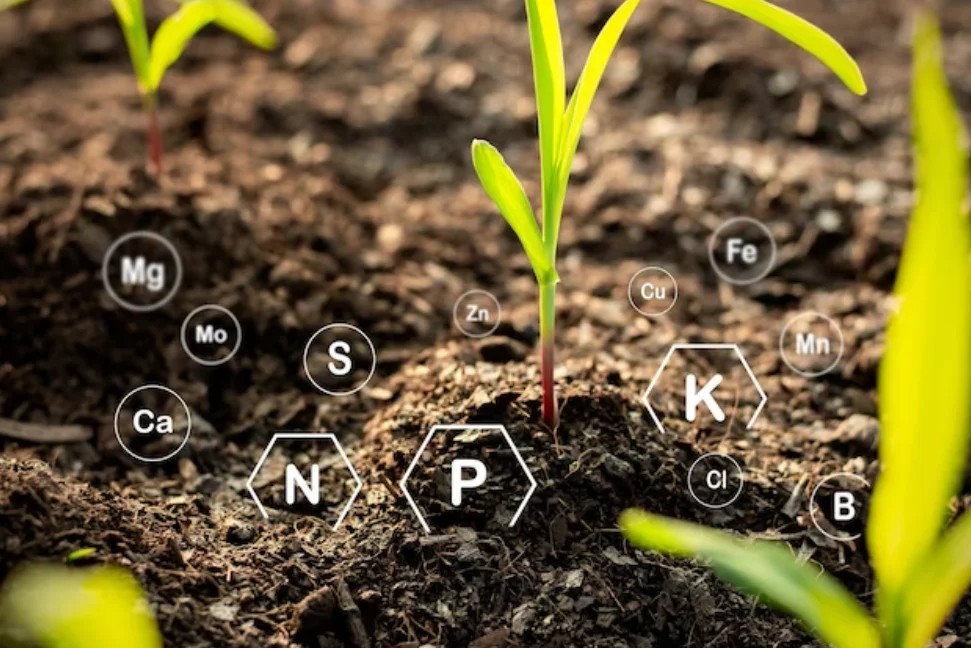
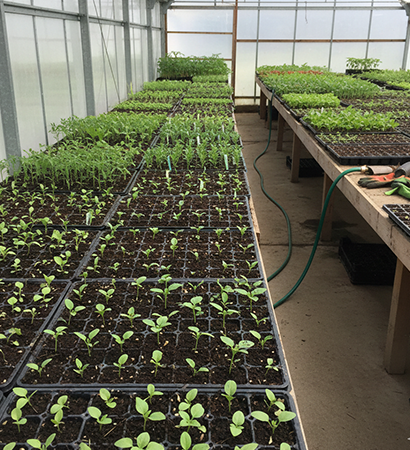
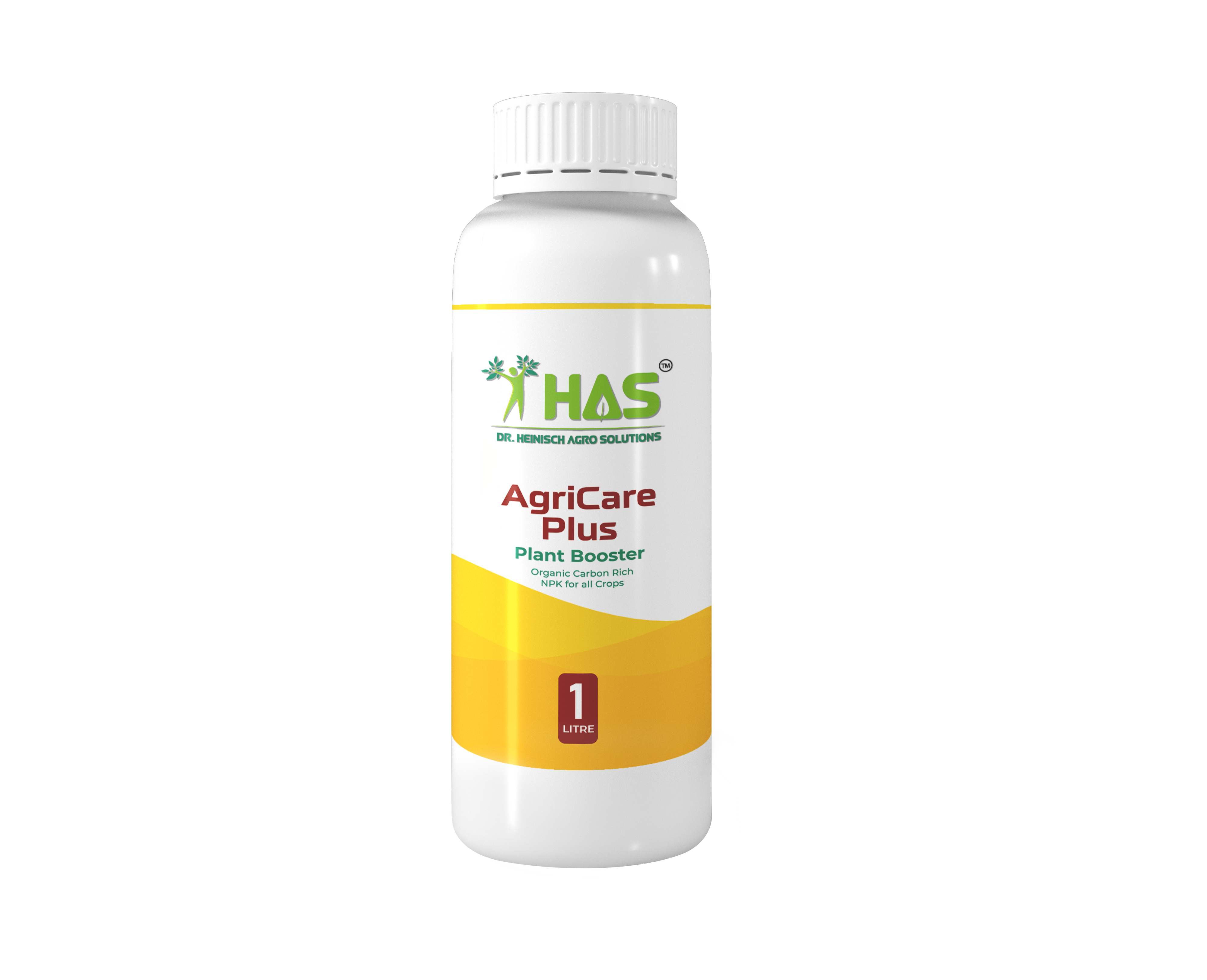
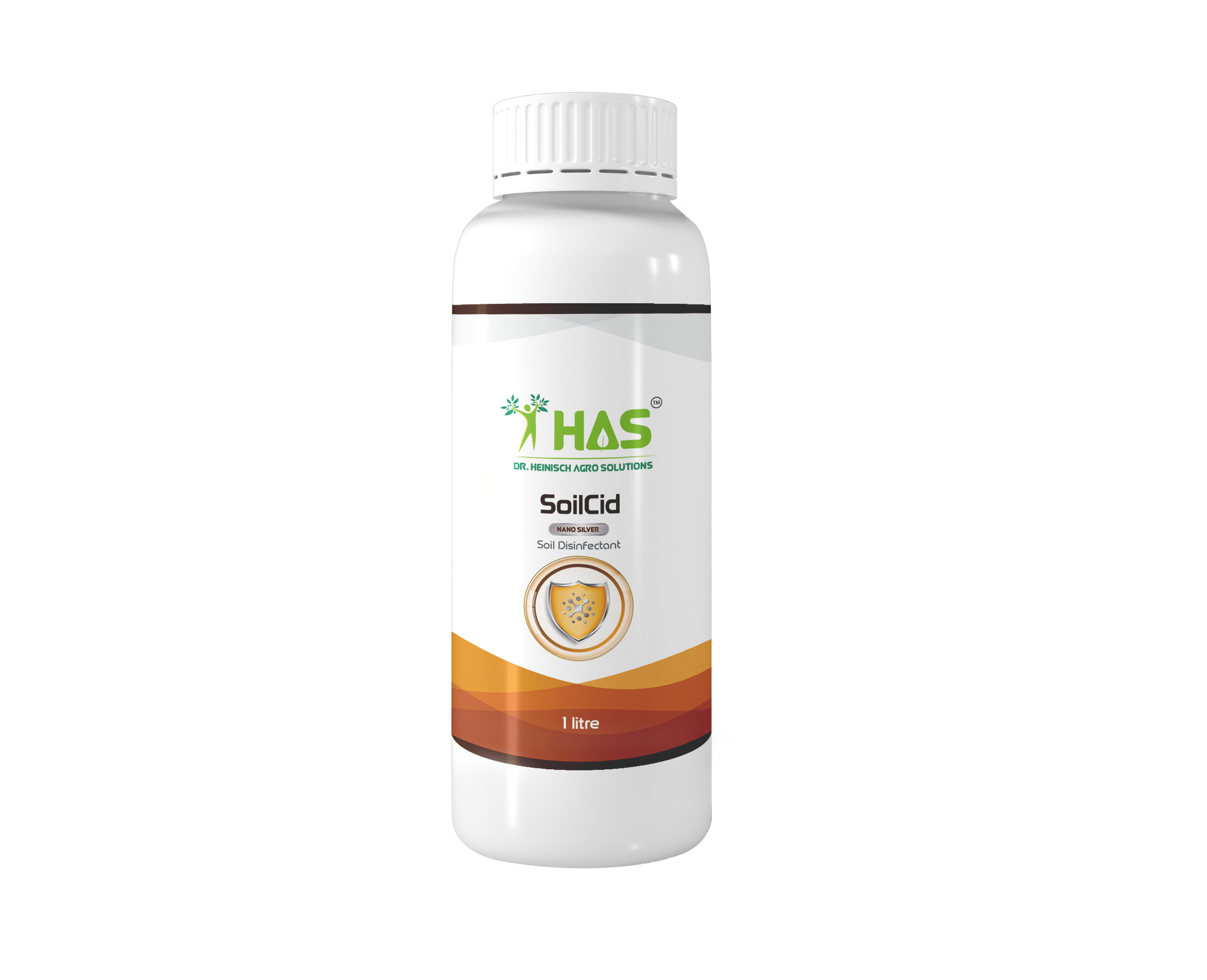
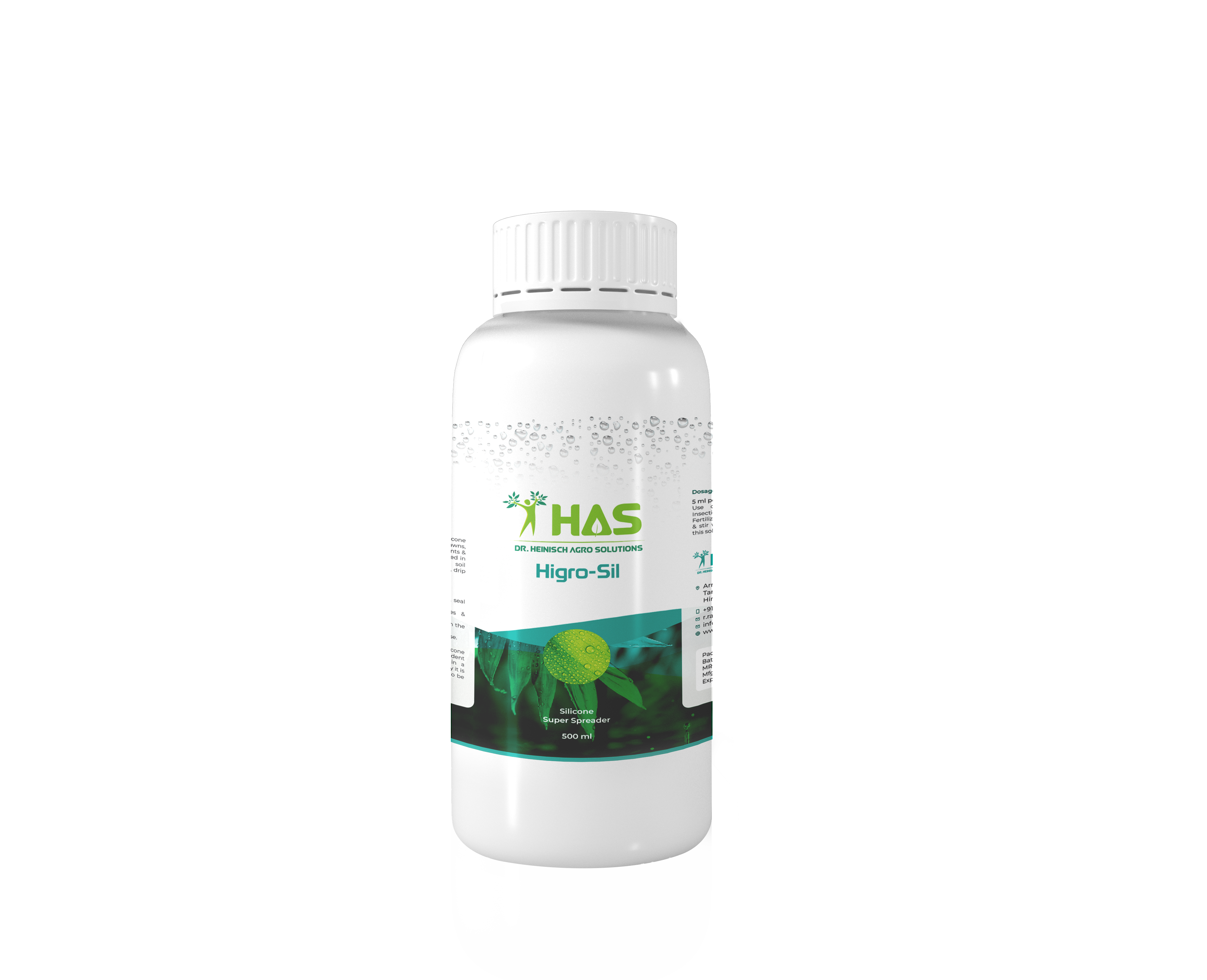
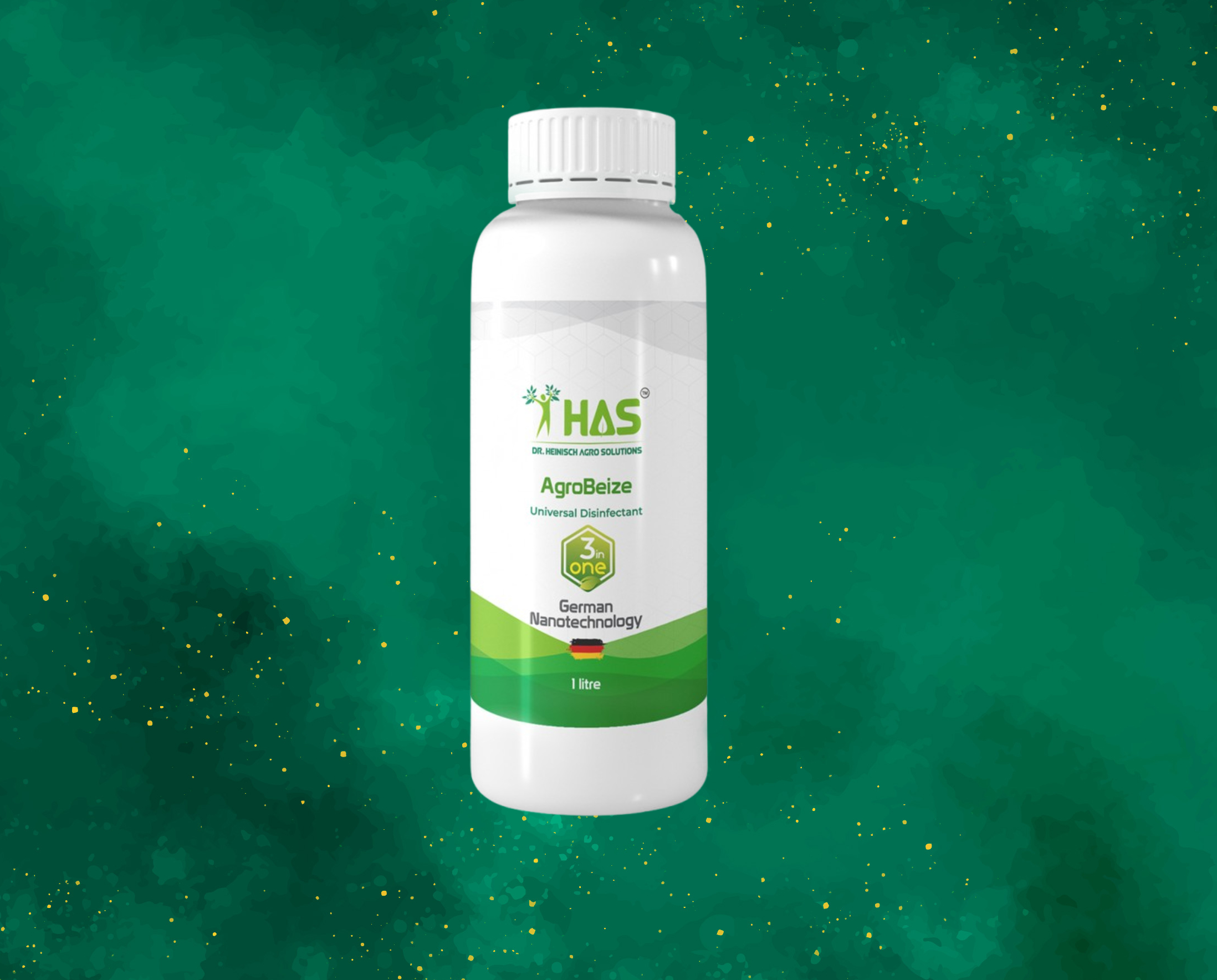
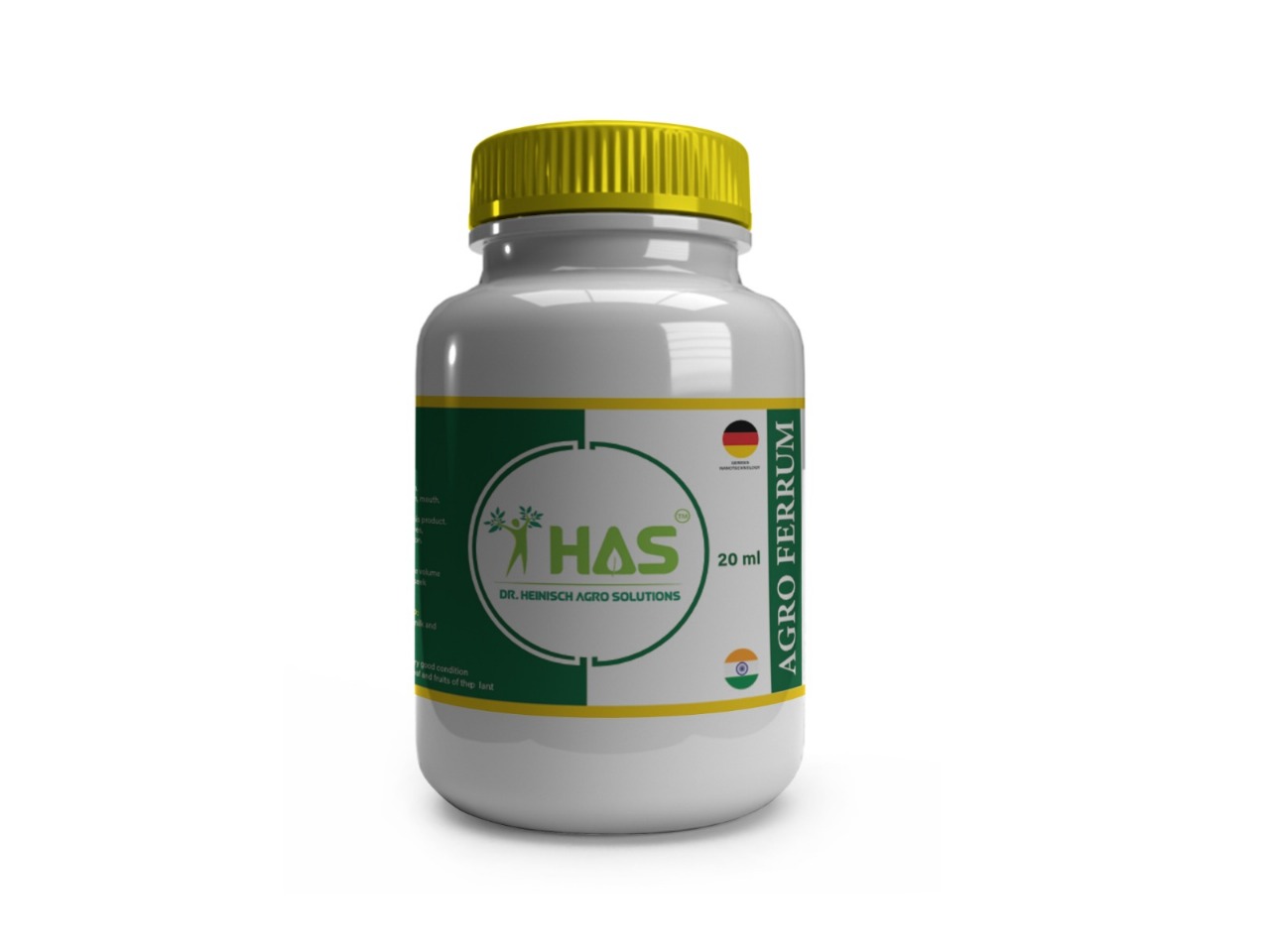
Dr. Heinisch Nano Technology products are scientifically engineered to deliver precise and targeted nutrition at the cellular level, ensuring plants receive the right nutrients at the right time. Using ultra-fine nano particles, these formulations enable faster and more efficient absorption through both leaves and roots, resulting in quicker plant response, stronger growth, and healthier crop development throughout the entire lifecycle.
Beyond promoting vigorous root systems, leaf vitality, and improved flowering, these advanced solutions also strengthen the plant’s natural defense mechanisms, helping crops withstand fungal, bacterial, and environmental stresses such as drought and nutrient deficiencies. With improved nutrient-use efficiency, farmers can achieve higher yields with reduced chemical input, protecting soil health, beneficial microorganisms, and groundwater—leading to cleaner farming, healthier produce, better profitability, and a more sustainable future for agriculture.
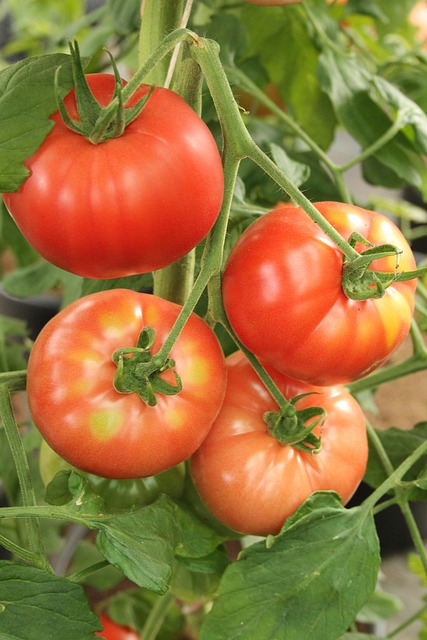
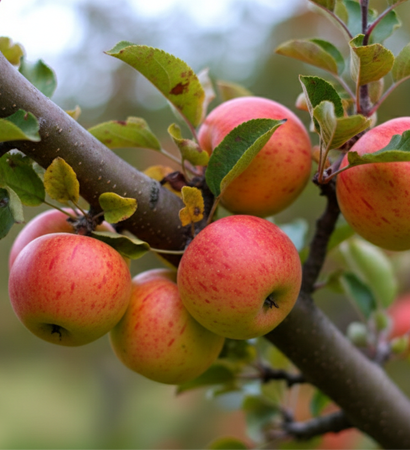
Crops We Nourish
At Dr. Heinisch Nano Technology, we support crops with advanced nano nutrition that strengthens roots, improves plant health, boosts yield quality, and helps farmers grow stronger, healthier, and more sustainable harvests across every growing season.
At Dr. Heinisch Nano Technology, we support crops with advanced nano nutrition that strengthens roots, improves plant health, boosts yield quality, and helps farmers grow stronger, healthier, and more sustainable harvests across every growing season.
Yes, it reduces input costs by requiring lower quantities while delivering higher efficiency and better yields.
Dear Customers
Benefits of organic farming
Nutrition and Biodiversity
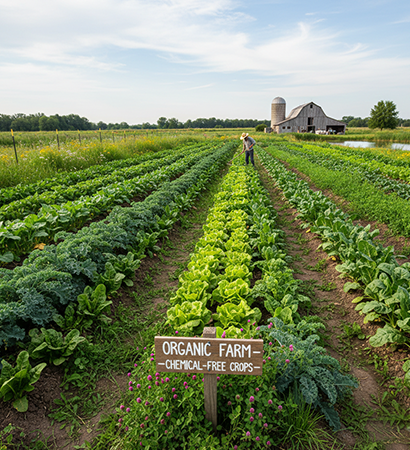
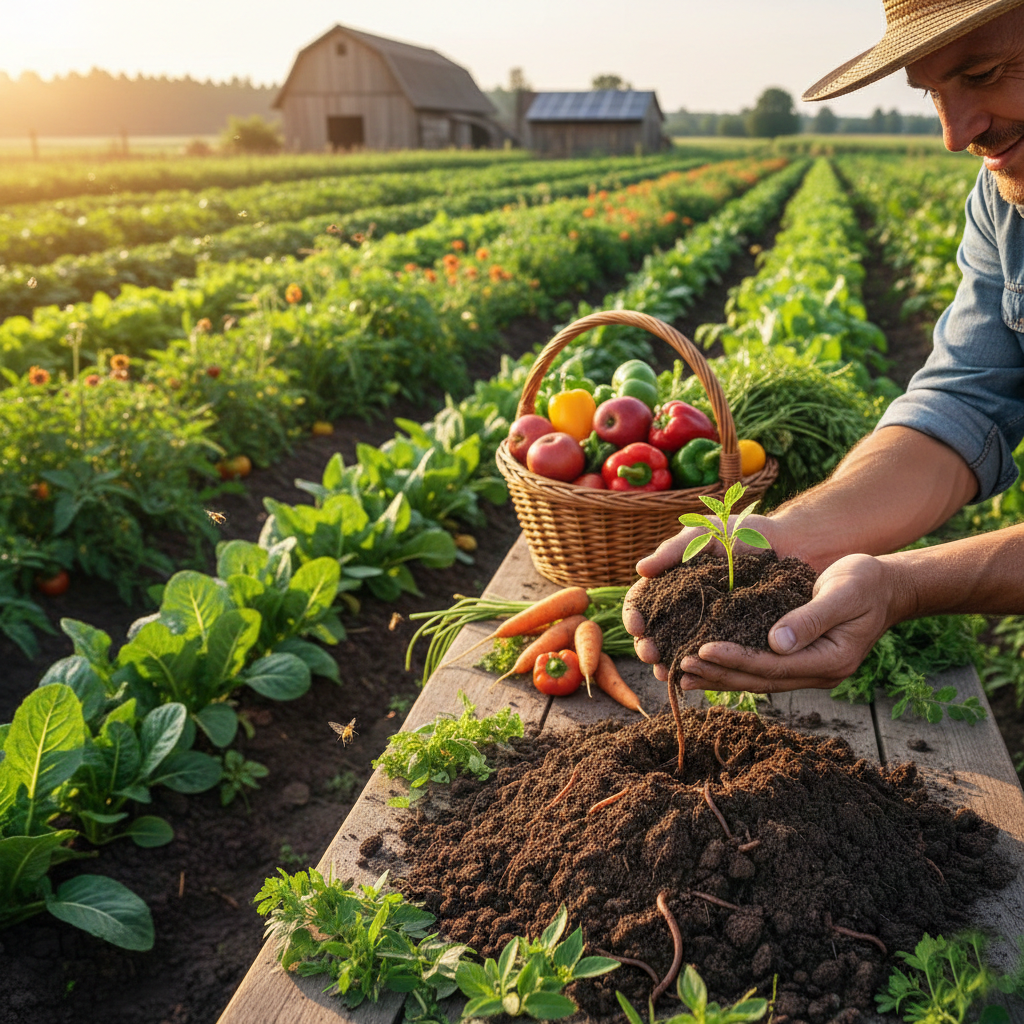
Organic farming has numerous environmental benefits. Better biodiversity can be achieved by avoiding harsh chemicals; in fact, organic farming benefits greatly from diversity. Good crops will keep growing year after year since this maintains the soil fertile. Because of the soil’s richness, your product will also taste better and be more nutrient-dense than crops farmed in conventional ways.
No dangerous emissions
In addition to better biodiversity, organic farming helps protects the environment in other ways. Most notably, an organic farm won’t secrete chemicals into water sources, and its fertilizers don’t release toxic gases into the air. Since organically grown food is also most often purchased and eaten locally, it cuts down on transportation costs, fossil fuel usage, and harmful greenhouse gas emissions.